
Experiment of indoor cultivation of saffron begins in Kashmir
16-Jan-2025 12:22 PM
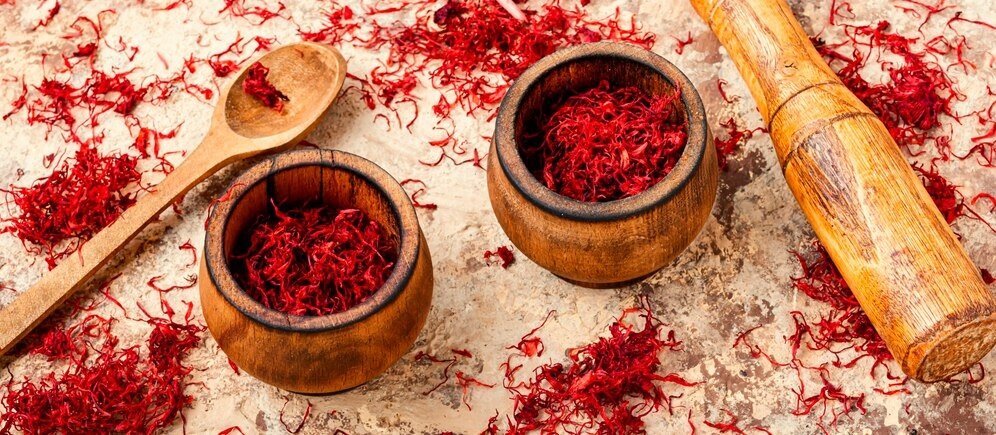
The experiment of indoor saffron cultivation in Kashmir, particularly in the Pampore region, is an attempt to counter the challenges posed by adverse weather and climate change that have negatively affected saffron production.
Pampore is renowned for saffron cultivation, with the region accounting for 90% of India's saffron output. Despite being the second-largest saffron producer globally, after Iran, the production has sharply declined in recent years.
For example, it fell from 8 tonnes in the 2010-11 season to just 2.60 tonnes in the 2023-24 season, primarily due to changing weather conditions.
Saffron cultivation requires a delicate balance, as the crop is sensitive to environmental conditions. Traditionally, saffron is grown outdoors, and its flowers, which bloom in October, are carefully harvested by hand.
The spice is known for its high market value, reaching Rs 3.25 lakh (around $3,800) per kilogram. However, with global warming threatening the future of outdoor cultivation, experts are now exploring the potential of indoor saffron farming.
While indoor cultivation could provide a controlled environment to safeguard the crop from unpredictable weather, there are concerns that it may lead to poorer quality saffron compared to the traditional outdoor method, which produces saffron with superior color, aroma, and taste.
Despite these concerns, the move toward indoor farming is seen as an experimental response to the growing impact of climate change on saffron production.