Home News
27-Nov-2026 06:14 PM
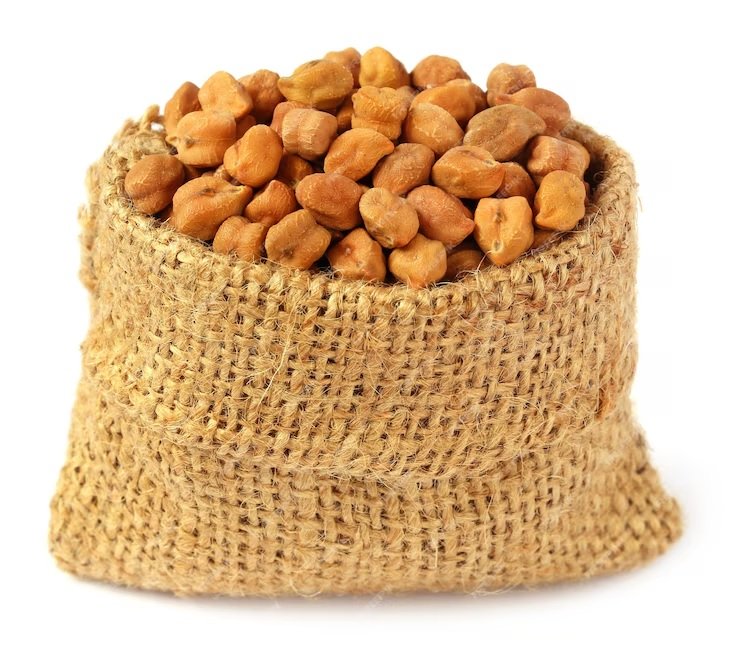
Chana (chickpea) prices in the Delhi domestic market have risen by Rs 50 per quintal, driven by robust buying from pulse mills and limited selling by stockists. With stockists showing less inclination to sell at lower price levels—coupled with sustained demand for chana dal and besan (gram flour) during the current peak consumption season—pulse mill procurement has picked up, lending a firm tone to the market.
Chana sowing lags by 1.119 million hectares compared to last year
The pace of chana sowing in the current Rabi season remains sluggish. According to government data, chana has been sown across 5.158 million hectares so far—a decline of 1.119 million hectares compared to the same period last year. This drop in sowing has fueled market concerns regarding future production. However, the final crop outlook will become clearer based on further sowing progress and weather conditions.
Limited availability of old stocks supports the market
Remaining stocks of old-season chana in the mandis (agricultural markets) of producing states are limited. Meanwhile, the arrival of the new domestic chana crop is not expected until March-April. Consequently, there is ongoing concern regarding market supply until the new harvest arrives. Given the limited availability, stockists are reluctant to sell at lower prices, which provides additional support to market rates.
High import costs bolster the domestic market
Furthermore, the landed cost of chana imported from Australia and Tanzania is high, making these imports uncompetitive in the domestic market. As a result, the likelihood of an immediate increase in domestic supply through imports remains limited.
Market Outlook
Overall, the chickpea (chana) market is being supported by three key factors: active buying by pulse mills, limited availability of old stocks in producing-region markets (mandis), and the fact that sowing for the current Rabi season is significantly lagging behind last year’s levels. Additionally, demand for split chickpeas (chana dal) and chickpea flour (besan) is providing further market support. Given these conditions, chickpea prices are likely to remain firm in the near term. However, the future direction of the market will depend on the progress of sowing, demand from pulse mills, and the availability of stocks.