
Brazil's Maize Production Likely to Fall Short of Expectations
17-Mar-2026 12:52 PM
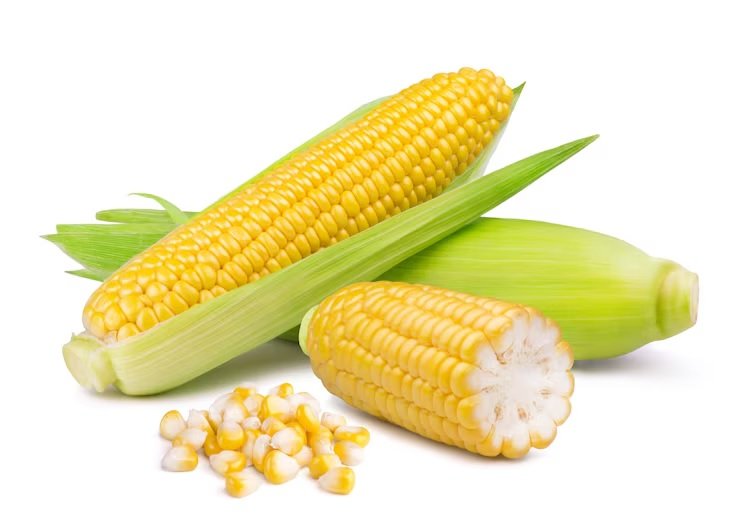
Sorriso. In the Latin American nation of Brazil, approximately 72 percent of maize production occurs during the second—or *Safrinha*—season. The ideal window for sowing this crop spans from January to mid-March.
Although this period has already elapsed, sowing has yet to be completed across 18 percent of the designated area—totaling approximately 3 million hectares (7.4 million acres). *Safrinha* maize sown after March 15 typically yields lower returns.
Farmers are currently caught in a dilemma: should they proceed with sowing *Safrinha* maize and accept the risk of lower yields, or should they opt to cultivate sorghum instead?
A leading organization had previously projected that Brazil's total maize production for the entire 2025-26 season would surge to a record high of 135 million tonnes; however, it has now revised this estimate downward by 2 million tonnes, setting the new target at 133 million tonnes.
Should the sowing area for the *Safrinha* crop experience a further decline, the maize production forecast could face additional downward revisions.
It is noteworthy that Brazil stands as the world's second-largest exporter and third-largest producer of maize.
In Brazil, the cultivation of this vital coarse grain takes place across three distinct seasons. The crop from the first—or "full"—season has already been harvested, while sowing is currently underway for the second—or *Safrinha*—season crop. This latter crop is expected to be harvested in June or July. The third—or "special"—season accounts for only a limited volume of maize production.