Home News
20-Nov-2026 02:07 PM
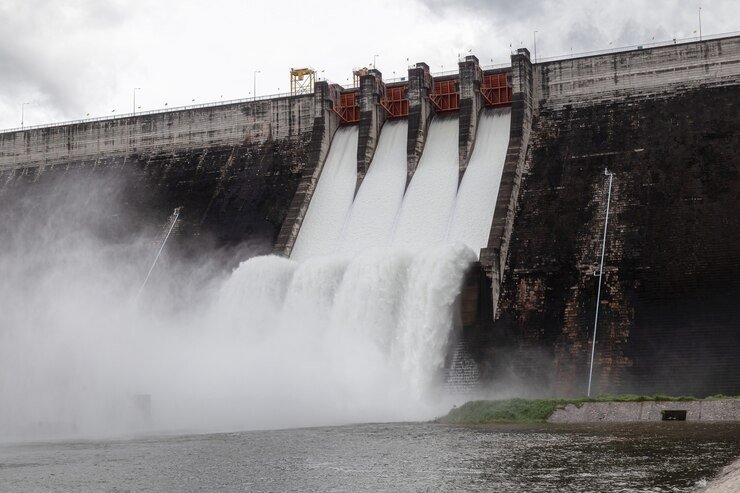
New Delhi. A lack of rainfall has led to a continuous decline in water levels across dams and reservoirs. According to the Meteorological Department, more than 60 percent of the country experienced a rainfall deficit between October 1 and November 18.
The latest data from the Central Water Commission indicates that water stocks in 178 major dams and reservoirs across the country have fallen to 113.48 billion cubic meters (BCM)—representing 61.5 percent of their total storage capacity of 184.762 BCM. This current stock is 30 percent lower than last year’s levels and 20 percentage points below the ten-year average.
Although two cyclonic storms—Arnab and Murasu—have occurred recently, and there are signs of another cyclone forming over the Bay of Bengal, water levels in the dams and reservoirs of South India continue to drop rapidly, causing significant concern among farmers. Currently, the Northeast Monsoon is active in that region, keeping hopes for rainfall alive. Odisha has been the primary beneficiary of the rain brought by these cyclonic storms.
According to the Commission’s data, dams and reservoirs in three of the country’s five regions—the Western, Central, and Eastern zones—still hold more than 70 percent of their total storage capacity. In contrast, water levels in the Northern region have fallen to 53 percent, while in the Southern Peninsula, they have dropped to 39 percent.
Eight reservoirs across the country are completely full, four of which are located in Jharkhand. However, in 60 percent of the nation’s dams and reservoirs, water stocks have dwindled to approximately half of their capacity.