
Warning of a Second Wave of Inflation in India
21-Apr-2026 06:29 PM
Mumbai. The Reserve Bank of India (RBI) has warned that if hostilities resume between Iran and the United States, and if the crisis in West Asia persists for an extended period, India could witness the onset of a second wave of inflation. The crisis in West Asia remains a matter of grave concern for most nations, including India.
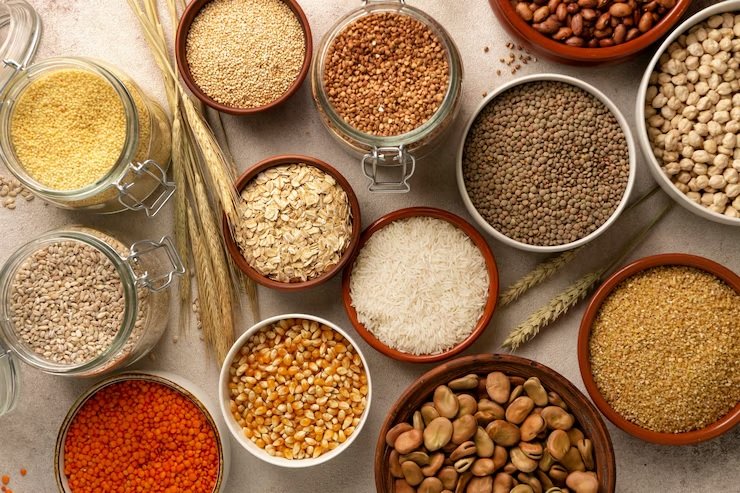
The last time food inflation surged significantly, it was brought under control only after immense effort and a series of decisive policy interventions. Imports of pulses were exempted from customs duties; import duties on edible oils were drastically reduced; restrictions on the commercial export of wheat and its value-added products were maintained; and, for a certain period, the export of white rice was also suspended.
A ban on the export of rice bran extraction remained in force for an extended duration. Efforts were made to boost domestic supply and availability by importing record quantities of pulses and edible oils from abroad.
This time around, the ongoing crisis in West Asia is driving up the cost of importing crude oil and natural gas into India. This is expected to impact not only agricultural production but also lead to an increase in freight and transportation costs.
India primarily imports pulses from Myanmar, Australia, Canada, Brazil, and various African nations. Shipping costs have already risen substantially, thereby making these imports more expensive. The situation regarding edible oils is similar. Furthermore, the threat posed by the El Niño phenomenon also continues to loom.
The Central Government may need to implement certain precautionary measures in the coming months to keep food inflation under control.