Home News
10-Oct-2026 03:02 PM
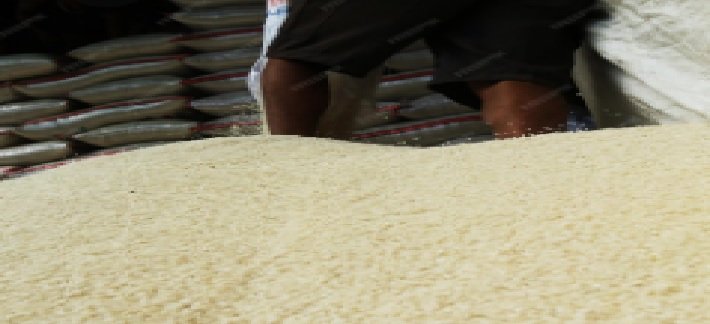
New Delhi: Export offer prices for Indian non-basmati rice (on an FOB basis) have risen to a nearly one-year high, driven by robust demand from African nations and the significant depreciation of the rupee against the dollar. Major importing countries in Africa and Asia are purchasing large quantities of Indian rice to ensure domestic food security amidst concerns over the El Niño phenomenon and disruptions to maritime shipping.
Export offer prices have surged due to fears that severe flooding in Thailand could damage the paddy crop. Meanwhile, the area under Kharif paddy cultivation in India has declined by 3.7 percent, and crop conditions are reported to be weak in some regions due to a lack of rainfall; domestic market prices for paddy and rice are expected to remain high. On the other hand, the exchange rate has risen to between ₹96 and ₹97 per US dollar, helping exporters maintain their rice export offer prices.
While rising maritime freight costs might cause importers to delay purchases slightly, this situation is unlikely to persist for long. The export offer price for Indian 5% broken parboiled (Sela) rice currently ranges between $378 and $384 per tonne, while the price for 5% broken white (raw) rice has also risen to a similar level. Demand for white rice is comparatively stronger, and there is also healthy demand for broken rice varieties.
Meanwhile, Thailand's export offer price for 5% broken rice has climbed from $460 per tonne last week to a range of $465–$468 per tonne, following flood-related damage to paddy crops in certain provinces. Additionally, rice demand in the Philippines is expected to rise. Deliveries against contracts previously entered into by Thai exporters had been delayed, but shipments are now commencing; this has led to a slight rise in offer prices.
India is likely to see a decline in paddy and rice production for the first time in a decade. Preparations for harvesting the new paddy crop have begun.