
Prices of mustard and its oil likely to remain strong
09-Jan-2025 08:38 PM
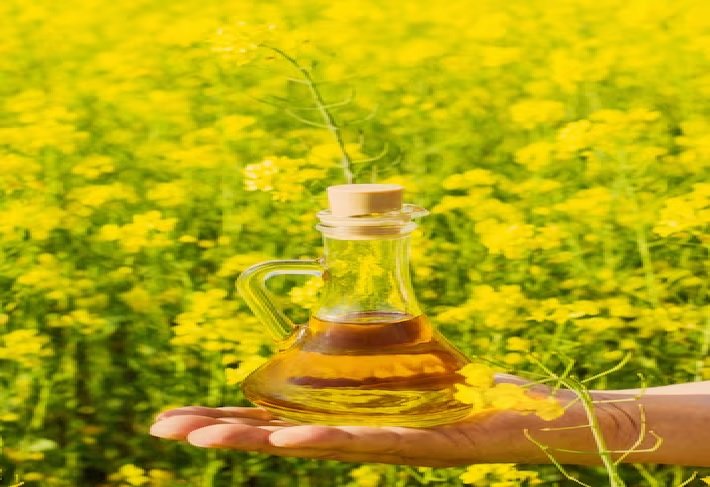
The prices of mustard and mustard oil are expected to remain strong due to a combination of factors, including a reduced sowing area and lower arrivals in the markets. Here's a breakdown of the situation:
Lower Sowing Area: The sowing area for mustard has decreased from 93.73 lakh hectares last year to 88.50 lakh hectares this year. Additionally, the total area for oilseed crops has also reduced. This has led to a drop in overall mustard production.
Decreased Market Arrivals: The daily arrival of mustard in major markets has decreased significantly, with less than 2 lakh bags (50 kg each) reaching the markets daily. The stock of mustard held by farmers, stockists, and millers is also limited, further contributing to the price rise.
Production Estimates: Industry experts have revised the mustard production estimate for the 2023-24 season from 121 lakh tonnes to 115 lakh tonnes. This reduction, coupled with lower arrivals, puts upward pressure on prices.
Government Stock and Purchases: The government has stockpiled around 10 lakh tonnes of mustard, half of which has already been sold. Efforts to sell the remaining stock are ongoing.
Minimum Support Price (MSP) Increase: The Central Government has increased the MSP for mustard from Rs 5650 per quintal for the 2023-24 season to Rs 5950 per quintal for the 2024-25 season. While this has improved the returns for farmers, it hasn't generated much enthusiasm for increased mustard cultivation.
Seasonal Demand: With the upcoming wedding and festival season, demand for mustard oil is expected to rise, as it is commonly used during winters and for cooking during special occasions.
Futures Trading Ban: The lifting of the ban on futures trading in mustard and its value-added products could potentially push prices even higher, as it could create a more favorable environment for price speculation.
In conclusion, prices are unlikely to see a sharp fall in the near future, though normal fluctuations of around Rs 100-200 per quintal may occur.