
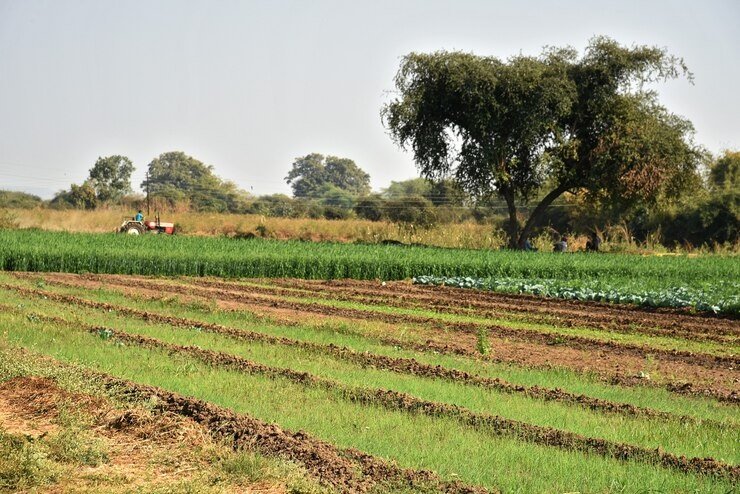
The agricultural sowing scenario in Rajasthan during the current Rabi season presents a shift in crop preferences compared to last year. The key observations are:
Mustard Sowing Decline: There has been a reduction in the area dedicated to mustard cultivation. One reason for this is that farmers in certain regions of the state have shifted their focus towards isabgol (psyllium husk). The high market prices for isabgol, which ranged from Rs 14,000-18,000 per quintal last year, along with its lower cultivation costs compared to mustard, have led to an increased interest in sowing this crop.
Isabgol Sowing Surge: The price of isabgol and its profitability has attracted farmers, contributing to an expansion in its sowing area. Its cultivation offers a more lucrative alternative for farmers, which has further fueled its popularity.
Barley Sowing Increase: There has been a notable rise in the area dedicated to barley cultivation. This increase is attributed to good returns from barley in the previous season, motivating farmers to allocate more land to this crop.
Wheat and Gram: The sowing area of wheat has remained stable, showing no significant increase or decrease. However, the area for gram has slightly increased, although it did not reach the levels initially expected.
Cumin and Coriander: There has been less enthusiasm for the cultivation of cumin and coriander. As a result, it appears that the area sown with these crops will likely decrease this year.
Regional Variation: While regions like Jaisalmer and Barmer in western Rajasthan have seen less sowing activity, the areas along the Kota-Kuchh line have experienced good cultivation.
This shift in crop preferences reflects the evolving agricultural trends in Rajasthan, influenced by market prices, profitability, and the cost-effectiveness of cultivating certain crops.