
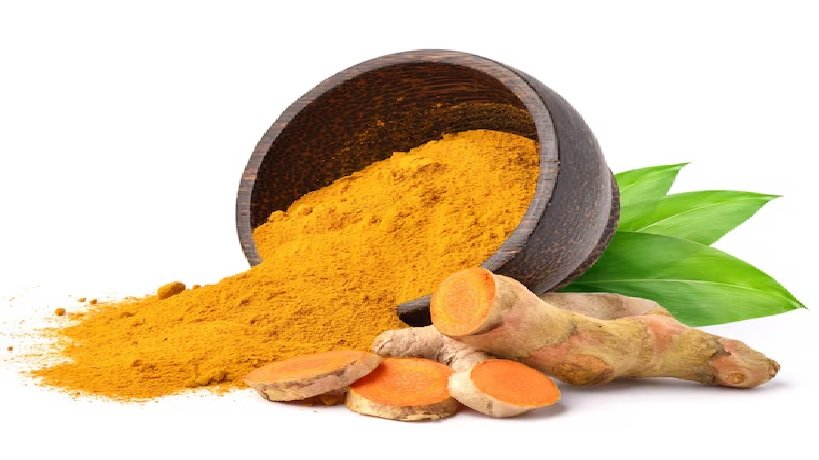
India is the world leader in turmeric production, contributing over 75% of the global supply. Despite this dominance, the country faces significant challenges in meeting international market standards, especially concerning quality and pricing. To strengthen India's position in the global turmeric market and achieve the target of increasing its exports to $1 billion by 2030, strategic and targeted interventions are necessary.
Several factors contribute to the current challenges:
- Quality Issues: Many importing countries reject Indian turmeric due to its lower curcumin content (the compound responsible for its color and health benefits). The ideal turmeric for international markets typically has a curcumin content of 5% or higher, but much of India's turmeric only contains 2-3%.
- Fluctuating Prices: The international price of turmeric is volatile, and domestic prices often mirror these fluctuations. When producers do not receive fair prices, their enthusiasm for cultivation diminishes, leading to a decline in production.
- Declining Cultivation Area: Over the past few years, there has been a noticeable reduction in the area dedicated to turmeric cultivation, which has impacted production volumes.
To address these issues and increase both production and exports, the following strategies can be considered:
- Improvement in Quality: To meet international standards, turmeric farmers need access to better cultivation practices, high-quality seeds, and effective pest management. Ensuring that more turmeric meets the 5% curcumin threshold will make Indian turmeric more competitive.
- Price Stabilization: The government could implement measures to stabilize prices, providing financial support to farmers to avoid price fluctuations. This could include providing a minimum support price (MSP) and exploring export subsidies.
- Research and Development: Investing in research to develop turmeric varieties with higher curcumin content, improved yield, and disease resistance would be key. Partnerships with agricultural universities and research institutions could facilitate this.
- Market Diversification: Expanding into new international markets and increasing awareness about the health benefits of turmeric can help reduce dependency on a few countries. This may involve targeted marketing efforts and building stronger relationships with global importers.
- Infrastructure and Logistics: Improving infrastructure related to turmeric processing, packaging, and transport could also ensure that the product reaches international markets in optimal condition, helping to meet quality standards.
By focusing on these areas, India can potentially increase both the quantity and quality of its turmeric exports, thereby strengthening its position as the world leader in turmeric production and export.