
Decline in international market price of major pulses
10-Jan-2025 01:59 PM
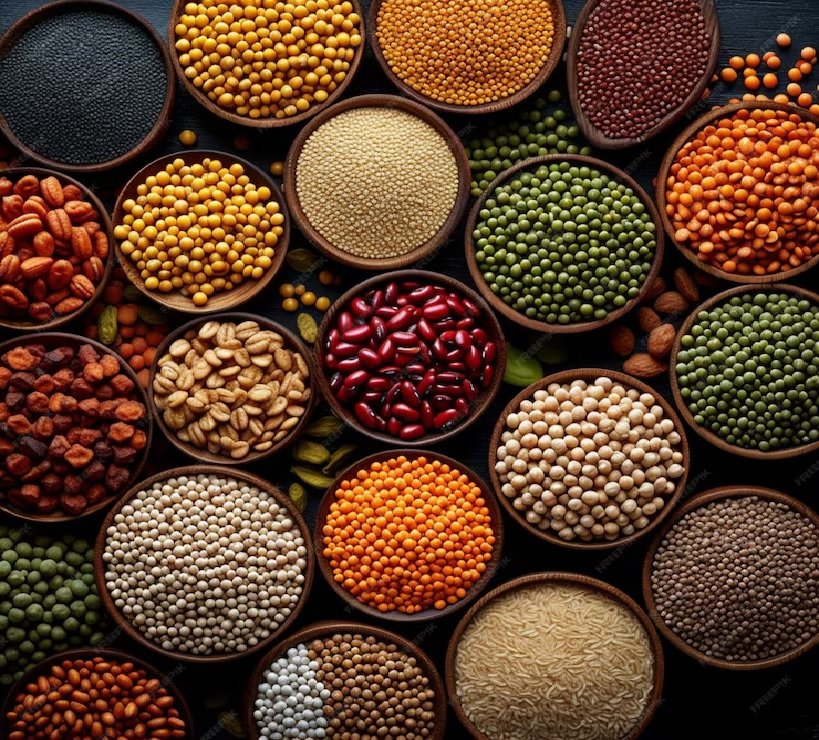
The international market prices of major pulses have been experiencing a decline, driven by better availability and limited demand. These pulses, including urad, desi chana, green lentils, red lentils, tur (tuvar), and yellow peas, are commonly imported into India. The price drops are observed in several exporting countries, and here's a breakdown of recent price changes:
Urad: The export price of urad for shipment to India has dropped in Brazil from $1030 per tonne on 19 December 2024 to $1020 per tonne for January-February 2025 deliveries. In Myanmar, the price for the FAQ category decreased from $915 to $860 per tonne, and for the SQ variety, it fell from $1015 to $965 per tonne.
Desi Chana: The price for January-February shipment from Australia to India fell from $690 to $685 per tonne. However, the price for February-March shipment remained unchanged at $675 per tonne.
Green Lentils: The export price of green lentils for February-March shipment from Canada to India dropped by $45, from $1180 to $1135 per tonne.
Tuvar (Arhar): The price of the Arusha variety of tuvar for January-February shipment to Myanmar dropped from $960 to $830 per tonne. This is attributed to the increase in supply pressure in India due to the harvesting of the new crop of Arhar and its arrival in the market, which is expected to influence prices in Myanmar as well.
Red Lentils: The export offer price for red lentils for February-March shipment from Canada fell from $740 to $735 per tonne, and from $700 to $695 per tonne from Australia. The January-February shipment also saw the same price decrease.
Yellow Peas: The price of yellow peas for February-March shipment from Canada has remained stable at $450 per tonne. However, the price for Russian yellow peas dropped from $405 to $395 per tonne for January-February deliveries. Notably, India has approved the duty-free import of yellow peas until January 31, 2025.
In conclusion, the decline in the international prices of these pulses can be attributed to the better availability of supplies, especially with the harvesting of new crops in India and the beginning of arrivals in other markets, combined with limited demand. This price trend is expected to influence India's import dynamics, especially with the duty-free status of yellow peas in effect until the end of January.