
Threat to Crops from El Niño Formation in the Pacific Ocean
10-Jun-2026 04:08 PM
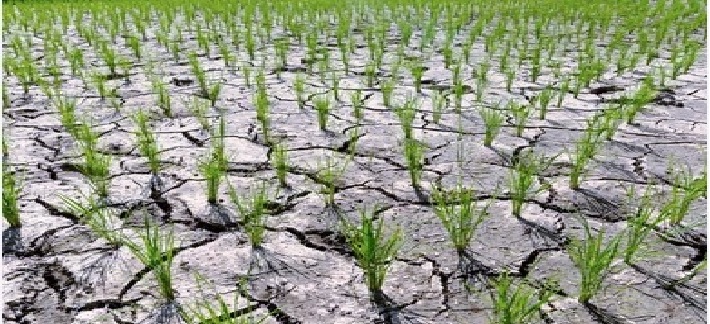
Mumbai: The emergence of the El Niño weather cycle in the equatorial Pacific Ocean is expected to impact the entire world. Its effects could range from severe droughts and a lack of rainfall in some regions to torrential downpours and devastating floods in others, alongside significant temperature fluctuations.
This is the first El Niño event since 2023, and it is anticipated to be more intense, powerful, and dynamic this time around. This weather cycle is expected to significantly affect the global agriculture and energy sectors, potentially increasing hardships for human communities.
El Niño forms when sea surface temperatures in the Pacific Ocean rise excessively; this phenomenon profoundly alters global weather patterns, damages agricultural crops, and can disrupt power grids. Historically, strong El Niño events have reduced yields for crops such as oil palm, tea, coffee, cotton, and grains; rice and wheat production are also affected.
A similarly powerful El Niño occurred in 1997, resulting in at least 30,000 deaths worldwide and the destruction of crops valued at approximately $100 billion. The 2023 El Niño also proved to be highly destructive.
El Niño is expected to reach its peak intensity around December or January; consequently, there are concerns about potential damage to both *Kharif* and *Rabi* crops in India. Sowing for *Kharif* crops has just begun. The impact of El Niño could lead to a colder and wetter winter in the southern United States, reduced monsoon rainfall in India, and severe droughts across various parts of Australia. There is also a likelihood of an increase in farm and forest fires.