Home News
26-Sep-2026 12:19 PM
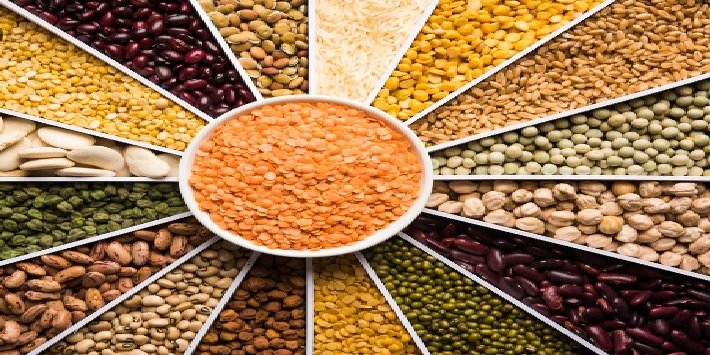
Mumbai: India is the world's largest producer, consumer, and importer of pulses. Large quantities of *arhar* (tur/pigeon pea), *urad* (black gram), *masoor* (red lentil), *desi chana* (brown chickpea), and yellow peas are imported into the country, alongside smaller quantities of kidney beans (*rajma*), black-eyed peas (*lobia*), and *kabuli chana* (white chickpea). On average, the country imports 5.5 to 6 million tonnes of pulses annually.
Simultaneously, India is witnessing a significant rise in pulse exports. Over the last decade, export shipments have increased nearly fivefold. During the 2025-26 fiscal year, the country's total pulse exports surged past the 1-million-tonne mark, with export earnings reaching approximately $1 billion. The GI-tagged *tur* variety from Karnataka's Kalaburagi (Gulbarga) region has found a new market in the Maldives, while other pulses and processed pulse products are already being exported to numerous countries on a large scale.
According to available data, India's pulse exports rose by 59 percent—from 3.10 lakh tonnes during April–July 2025 to 4.94 lakh tonnes during April–July 2026. Similarly, export earnings increased by 45 percent, rising from $311.08 million to $452.77 million. Demand for Indian pulses in foreign markets has grown significantly in recent years, and this trend is expected to continue. Demand for Indian pulses—particularly moong, masoor, Kabuli chana, and tur—remains strong in several countries, including China, the United Arab Emirates (UAE), Bangladesh, and the United States. Premium-quality Indian pulses are highly preferred in these countries.