Home News
24-Nov-2026 03:31 PM
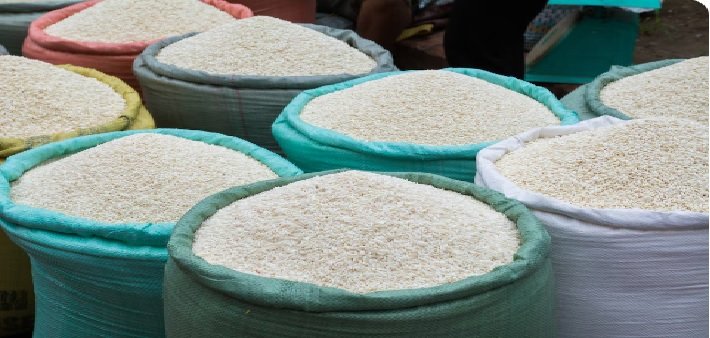
Hyderabad. In light of the rapidly rising prices of soybeans and soybean meal, the use of maize and rice in the production of animal and poultry feed is increasing. Consequently, the demand for maize and broken rice is expected to surge, which could lead to a rise in their prices. The use of soybean meal in feed production has declined by approximately 25–30 percent. It is worth noting that Indian soybean meal exports have been severely impacted due to a lack of price competitiveness. Should domestic demand also weaken, the industry’s challenges could intensify.
During October–November 2026, soybean prices in the Indian market ranged between $760 and $800 per tonne, which naturally drove up the cost of producing soybean meal. Despite weak export performance, there remained steady demand for soybean meal from domestic consuming industries, allowing crushing and processing units to continue operations. However, if domestic demand were to weaken, the industry’s crisis would deepen. In such a scenario, crushers and processors might hesitate to purchase soybeans at high prices and could be forced to limit their soybean meal production capacity.
Soybean production in India is expected to decline during the 2026–27 season due to deficient rainfall; the crop is particularly poor in the states of Maharashtra and Karnataka. Even during the peak supply season, arrivals of soybeans in wholesale markets remain limited, and strong demand from millers has triggered a sharp spike in prices.
The increased consumption of maize and broken rice by the animal and poultry feed industry has driven up their market prices. Furthermore, both these grains are expected to see significant usage in the ethanol industry—a sector that has traditionally been a major consumer of maize. Domestic production of maize and rice is also likely to decline this time.